
Sustainable Agricultural Cooperative
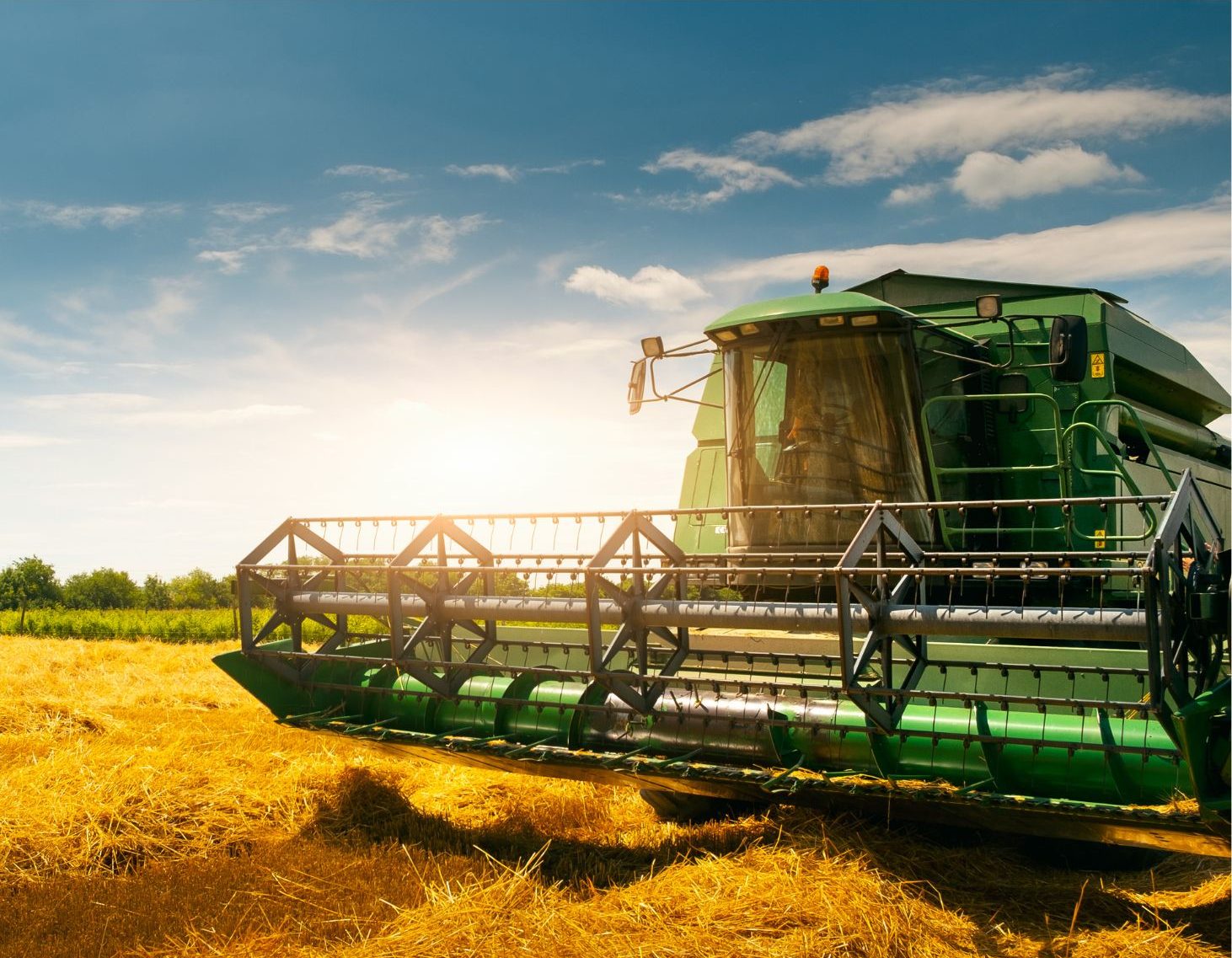
Combine the best of tradition with the best of the future!
The agricultural cooperative has been operating successfully for 15 years, managing its business solidly and growing steadily—both in terms of returns and membership. Its focus is on cultivating Miscanthus and industrial hemp, sustainable raw materials with strong future potential.
Advantages
- 7.5% annual return & potential harvest bonus (subject to change)
- Digital account management for every member with quarterly interest credit
- Flexible use of interest: payout or reinvestment
- No entry fees or premiums
- No additional contribution obligations
- Minimum term: 2 years, with a 6-month notice period
- Investment horizon: 2.5 – 3 years
Insights
- Approx. 650 hectares of farmland in the heart of Europe
- Fair and responsibly managed cultivation
- Promoting environmental and climate protection to create a lasting ecological footprint for generations to come
Miscanthus
- Perennial, fast-growing grass species
- Binds large amounts of carbon in the roots and soil, thereby enhancing soil fertility in the long term
- Reducing emissions by generating energy
- Miscanthus represents a sustainable alternative to fossil fuels.
- Miscanthus can be used in a variety of ways, for example in the paper and pulp industry, as a building material, and as animal bedding.
Industrial hemp
- Hemp for food is one of the most sustainable crops in the world.
- It does not require chemical fertilizers
- It can be fully processed
- One hectare of hemp absorbs 20 tons of CO₂ per year.
- Optimal nutrients for human and animal nutrition
- Considered a superfood for many years
- Industrial hemp has NOTHING to do with marijuana!!!
- Every part of the industrial hemp is utilized and incorporated into ‘Hanfleben’ products
Specialty crops – sweet lupines
- Sweet lupines belong to the legume family and have a high protein content
- Cultivation is economically attractive, as the demand for plant-based protein sources continues to grow
- High adaptability to different soil and climate conditions
- Low-maintenance, require no fertilizers, and are relatively resistant to diseases and pests